Sumac trees are common across Ontario. Learn how to identify safe vs poisonous sumac by leaves, berries, and growth patterns with this simple guide for homeowners.
Read More
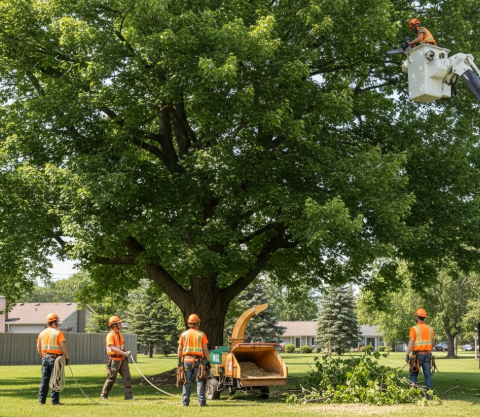
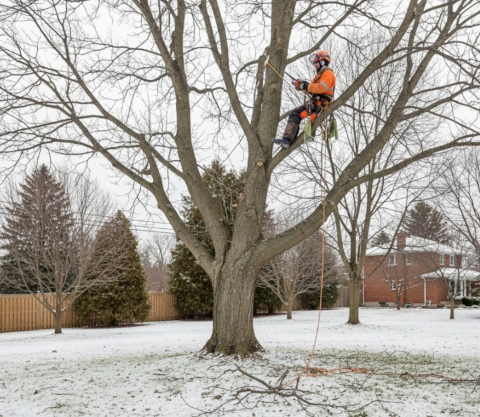

With nearly a decade of experience, we handle everything from precise trimming to safe removals, ensuring top-quality care.

Fully insured and WSIB certified, we follow strict safety standards to protect your property and our crew on every job.

We’re committed to expert service and clean results, ensuring you’re fully satisfied with every tree we trim or remove.

We are insured with $5M coverage ($2M per occurrence), ensuring a worry-free experience on every job you hire us for.
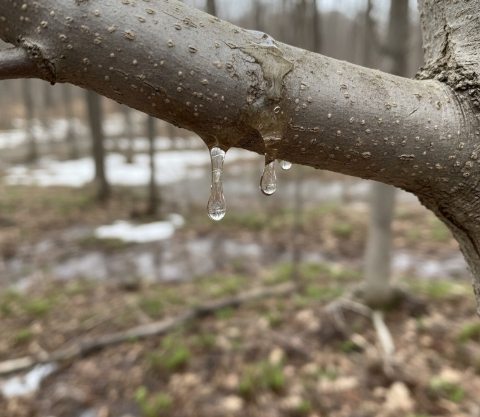
Sumac trees are common across Ontario. Learn how to identify safe vs poisonous sumac by leaves, berries, and growth patterns with this simple guide for homeowners.
Read More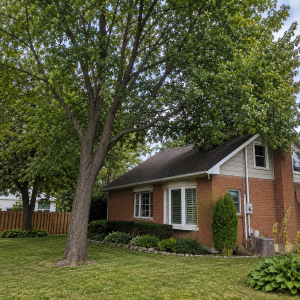
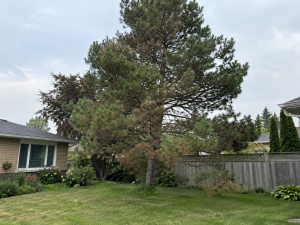
Arborist cost in Ontario depends on the type of service required. A basic estimate, consultation, risk assessment, and formal written arborist report are not the same. This guide explains what affects pricing, why fixed numbers can be misleading, and what information homeowners should provide when contacting Tyler’s Tree Services.
Read More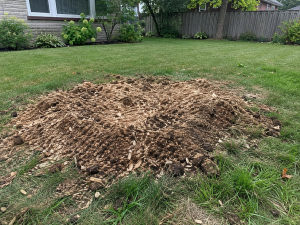
After stump grinding, homeowners can often repair the lawn, build a garden bed, or plan replacement planting, but the area needs proper preparation first. This guide explains why excess wood chips should be removed, how settling and drainage affect the site, and why a new tree should not usually be...
Read More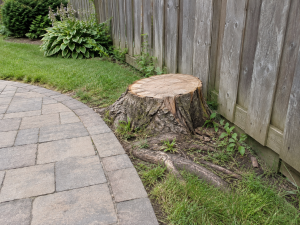
Stump grinding removes the visible stump and part of the root crown, but it does not remove every root underground. This guide explains what happens to remaining roots after grinding, how natural decay and settling work, when sprouts may appear, and when full excavation may be the better option for...
Read MoreA leaning tree can become a serious safety risk when the movement is new, roots are exposed, soil is lifting, or the trunk is cracked. This guide explains how Ontario homeowners can recognize urgent warning signs, what conditions may wait for a scheduled assessment, and when to contact Tyler’s Tree...
Read More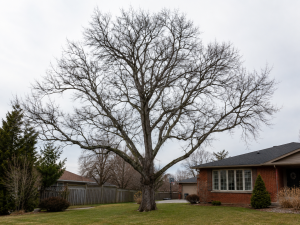
Home insurance coverage for fallen tree removal in Ontario depends on the policy, the cause of damage, and whether the tree damaged insured property. This guide explains the common coverage distinction, why documentation matters, when cleanup cannot wait, and how Tyler’s Tree Services can provide safe fallen-tree removal and an...
Read More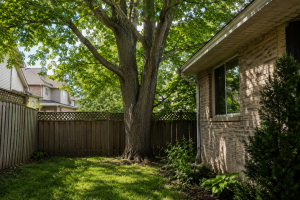
Removing a tree from your own property in Ontario is not always as simple as ownership. Municipal rules, boundary trees, conservation areas, utility conflicts, and construction plans can all affect the next step. This guide explains what homeowners should confirm before removal and when to ask Tyler’s Tree Services for...
Read More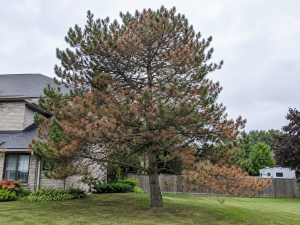
Brown needles on a pine tree can be normal seasonal shedding, but they can also point to stress, disease, drought, root damage, winter injury, or beetle activity. This guide explains how Ontario homeowners can read where the browning starts, what symptoms matter most, and when monitoring should stop so the...
Read More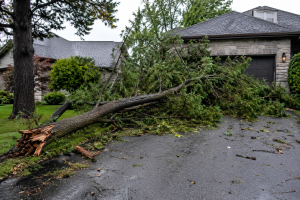
A fallen tree can create serious safety, electrical, and property hazards. Learn who to call first, what information to provide, and when to contact a professional tree removal company.
Read More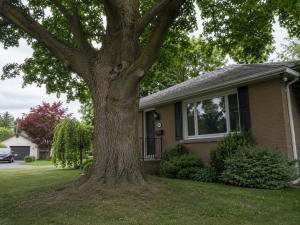
Tree removal cost in Ontario depends on more than tree height. This guide explains the main factors that affect pricing, why an on-site assessment is needed, how emergency conditions can change the cost, and when homeowners in Barrie, Orillia, and Simcoe County should request a tree removal estimate.
Read More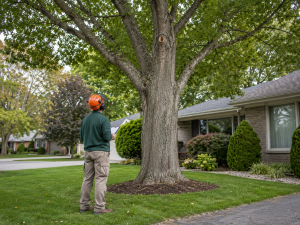
An arborist report provides written documentation about a tree’s condition, location, risk factors, and recommended next steps. This guide explains when homeowners may need an arborist report, how it differs from a basic estimate, and why reports are often used for permits, construction planning, neighbour concerns, tree-risk issues, and property...
Read More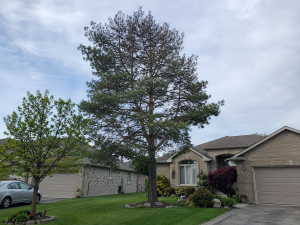
Pine beetle damage can weaken a tree before the problem is obvious. This guide explains the visible signs Ontario homeowners can inspect safely from the ground, how beetle damage affects pine trees, when removal may become a safety concern, and why an assessment should come before treatment claims.
Read MoreA dead tree can become a safety risk around homes, driveways, fences, and walkways. This guide explains the clearest warning signs homeowners should watch for, how to inspect a tree from the ground, when a tree may still be stressed instead of dead, and when professional assessment or removal is...
Read More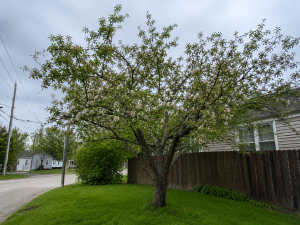
This guide explains the best pruning season, what branches to remove, and how proper pruning improves airflow, tree structure, and fruit production for healthier apple trees long term.
Read More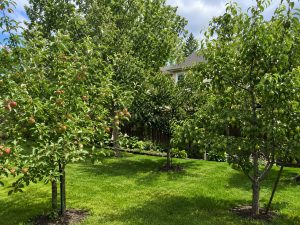
Many fruit trees grow in Ontario when matched to the right site and climate. This guide covers reliable options like apple, pear, plum, and others. It also explains why sunlight, airflow, pruning, and tree health matter for long-term fruit production.
Read More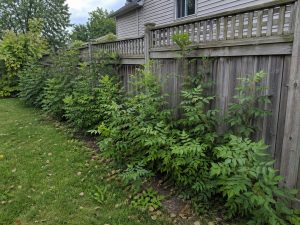
Sumac can spread quickly across Ontario properties. Learn how to identify, control, and safely remove it, and know when professional removal is the right step for your yard.
Read More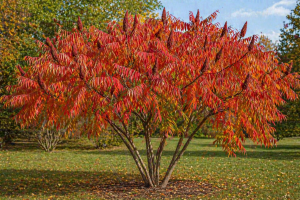
Sumac trees are common across Ontario. Learn how to identify safe vs poisonous sumac by leaves, berries, and growth patterns with this simple guide for homeowners.
Read More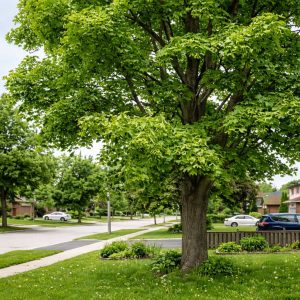
Maple Tree Bug Control in Ontario Barrie Simcoe County: identify and remove common maple pests like aphids, scale, and caterpillars with simple homeowner-friendly solutions.
Read More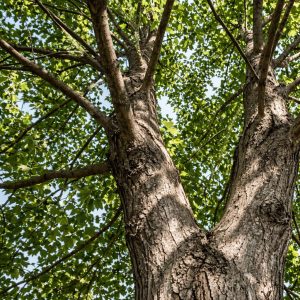
Red Maple Tree Growth in Ontario Barrie Simcoe County: early bloom, fast seed drop, and rapid growth patterns affecting pruning, maintenance, and property impact.
Read More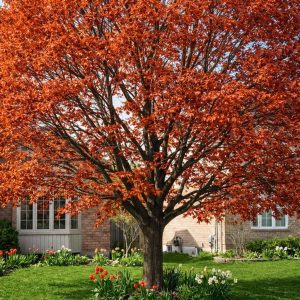
Sugar Maple Trees in Ontario Barrie Simcoe County: identification, growth, and care tips to manage structure, prevent damage, and maintain long-term property value.
Read More