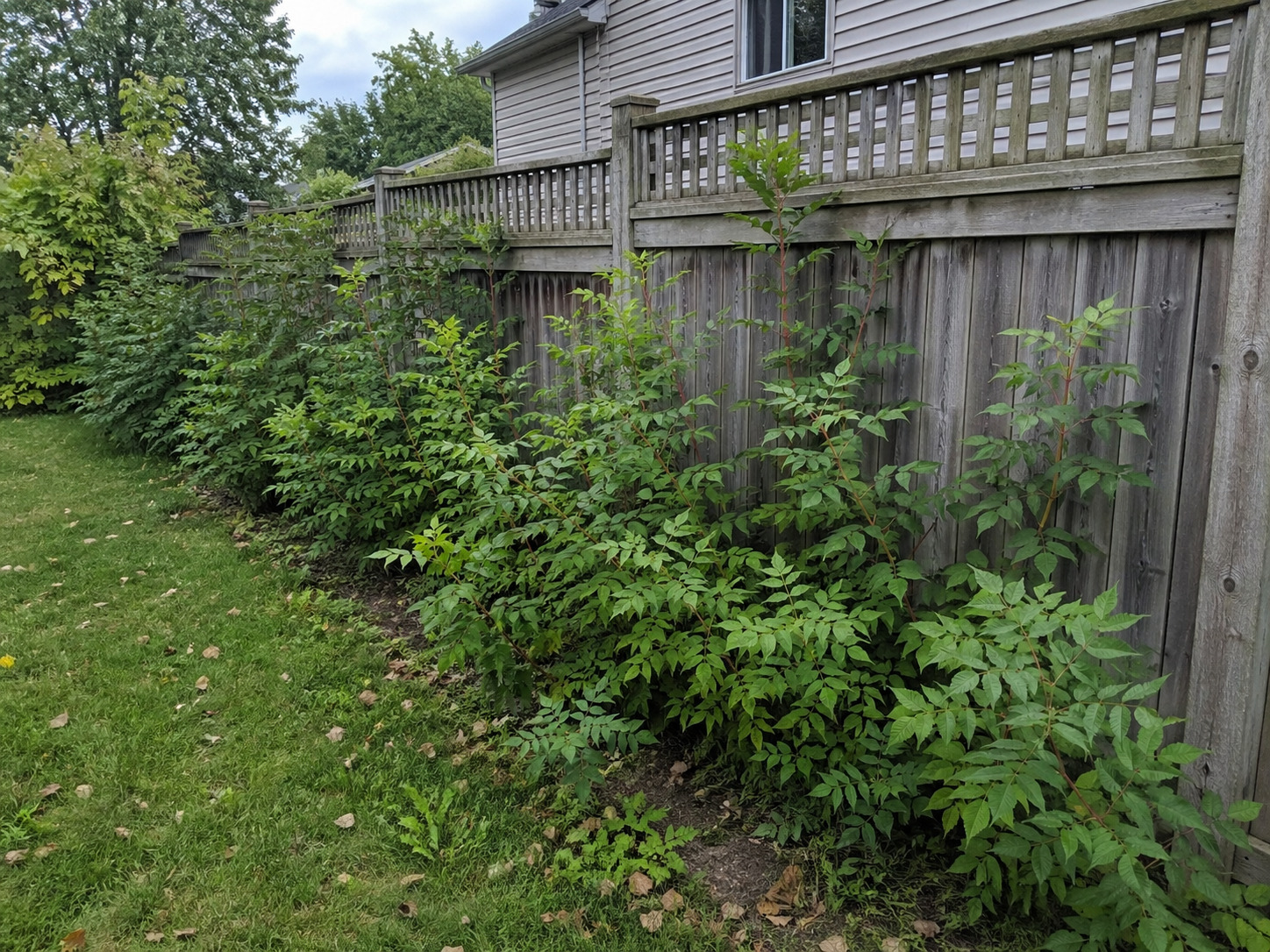
Sumac can take over sections of a property faster than expected, especially across fence lines and open edges in Ontario. Knowing how to get rid of sumac starts with understanding how it spreads, what risks are involved, and when removal is best handled by a professional crew.
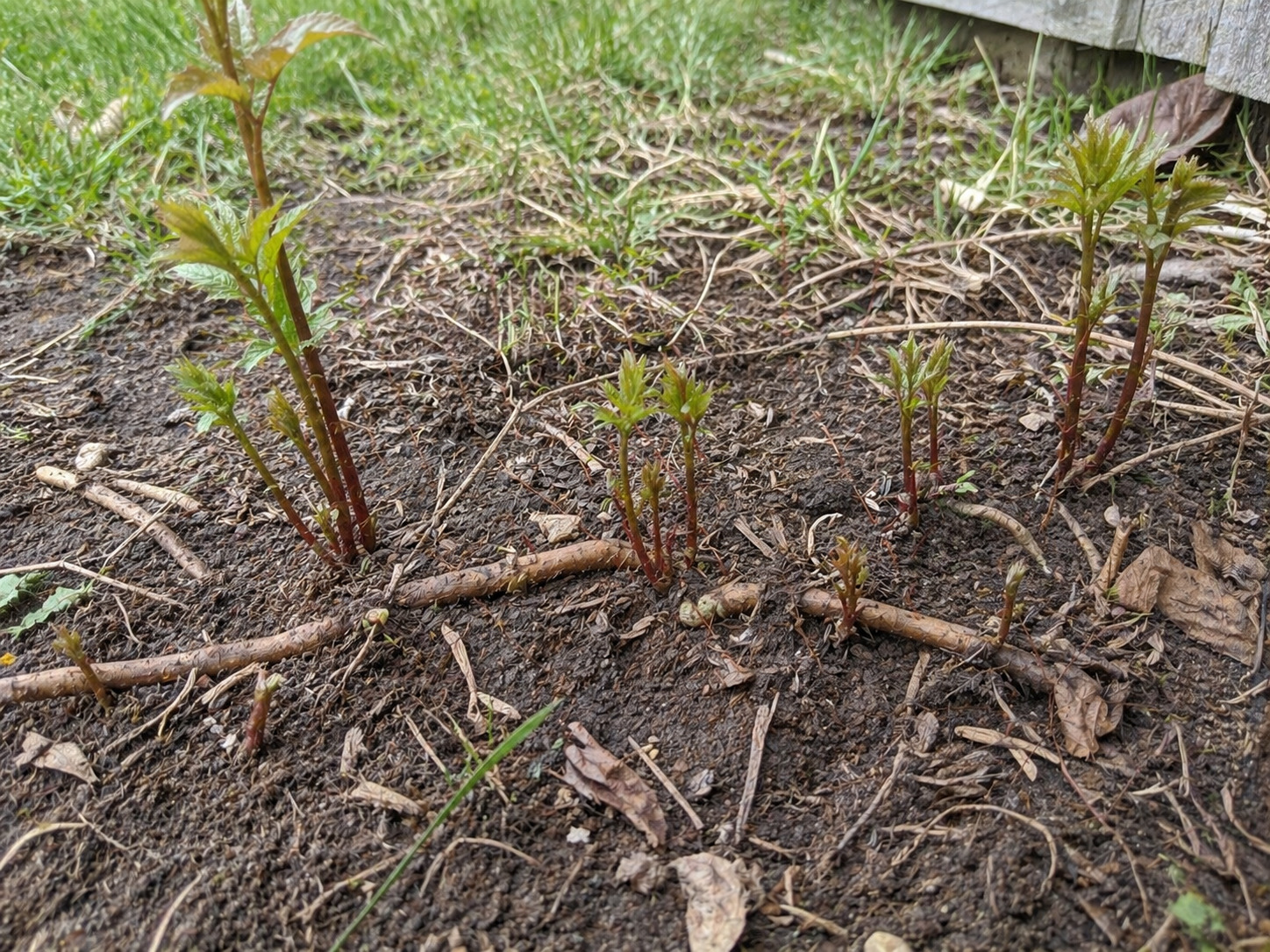
Many types of sumac spread through an underground root system that produces new shoots called suckers. These suckers grow into new stems and can quickly form dense clusters.
This is why a small patch can turn into a larger colony along fences, ditches, and property edges. Cutting visible stems without addressing the roots often leads to regrowth.
Root systems stay active below the surface. When one stem is cut, energy is redirected to produce more shoots nearby. This makes full removal more involved than basic trimming.
For a deeper breakdown of identification and information about Sumac, Sumac Tree in Ontario explains how different types behave across Ontario properties.
Sumac is not always a problem. In some areas, it can be part of the natural landscape. Removal usually comes down to location and control.
Common reasons for removal include:
In residential areas across Simcoe County, unmanaged growth is the main issue. Once it reaches a certain size, it becomes harder to control without proper removal methods.
Removing sumac safely depends on size, location, and how established the root system is.
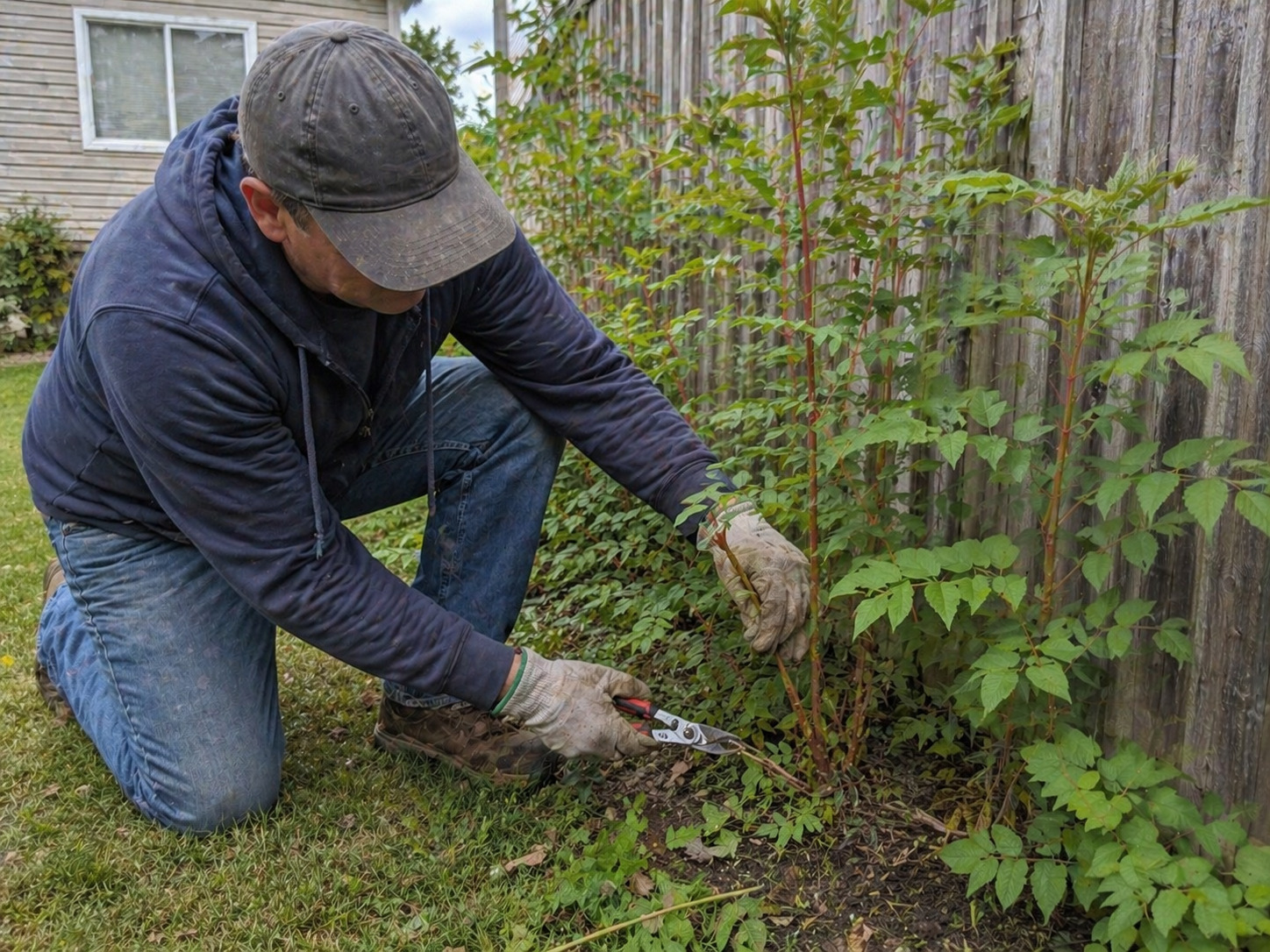
For smaller or newer growth, manual removal can work if done properly.
Basic steps:
Consistency matters. New shoots can appear weeks later if roots remain active.
Larger patches require more effort. Dense root systems, growth near structures, or hard to access areas increase the difficulty.
For deeper root concerns, our Tyler’s Tree Services tree root damage guide for Barrie homeowners explains how root systems impact nearby surfaces and structures.
When removal becomes time consuming or uncertain, professional service is the safer route.
Our Tyler’s Tree Services tree removal service is built to handle established growth, full root management, and cleanup across Simcoe County.
In Barrie and surrounding areas, sumac often spreads along drainage edges and fence lines. These locations allow roots to travel without obstruction.
Not all sumac is harmful, but poison sumac is a concern. The plant contains oils that can cause irritation.
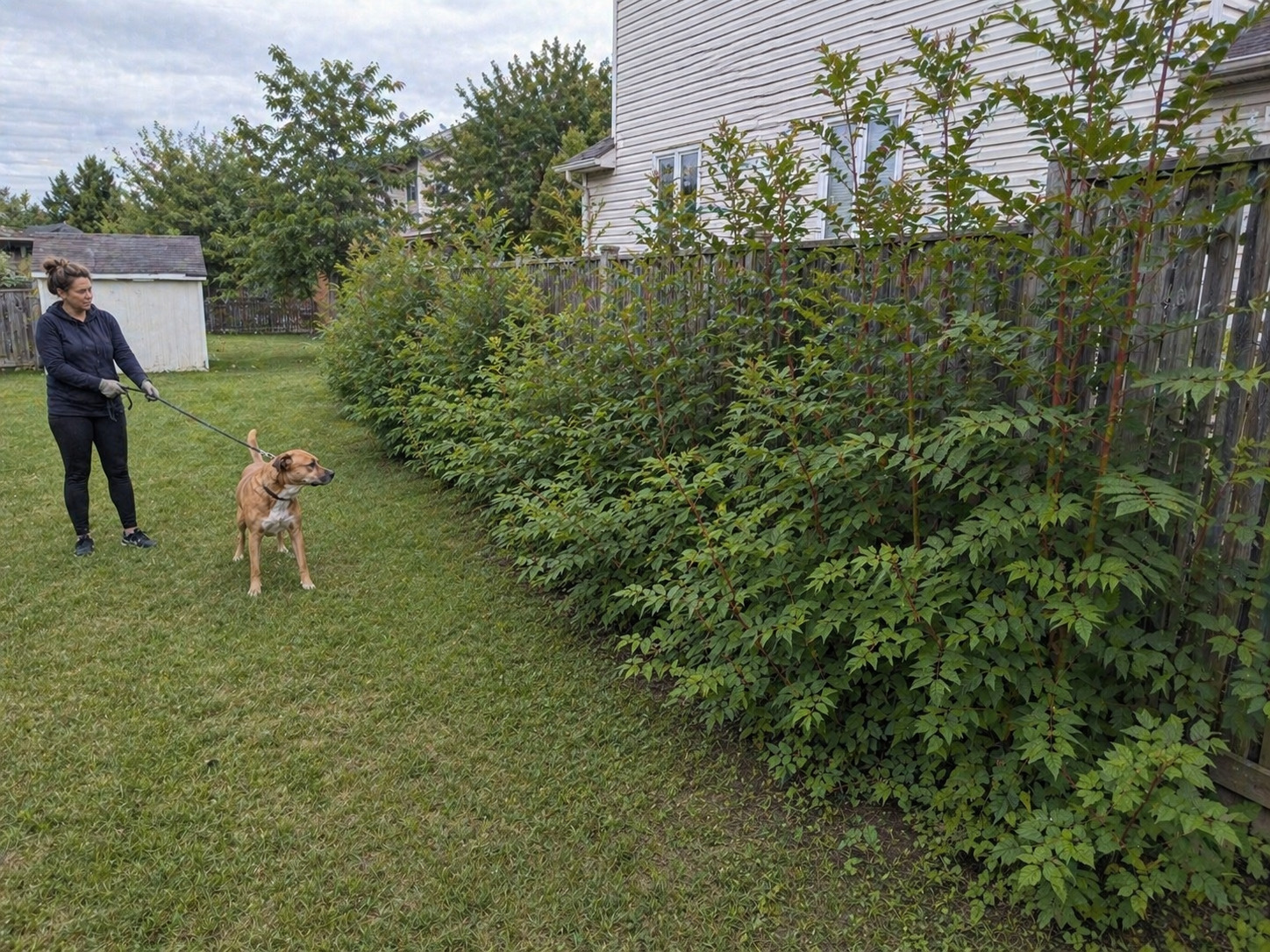
Dogs can brush against these oils and carry them on their fur. This becomes a risk for both the pet and anyone handling them afterward.
Possible concerns include:
Keeping dogs away from suspected sumac patches and freshly cut material is the safest approach. If signs of irritation appear, a veterinarian should be consulted.
Safety should be a priority during any removal process, especially when plant identity is not fully confirmed.
Precautions to follow:
Burning is especially risky. Oils can become airborne and cause serious irritation if inhaled.
If there is any uncertainty about the type of sumac, avoid direct handling.
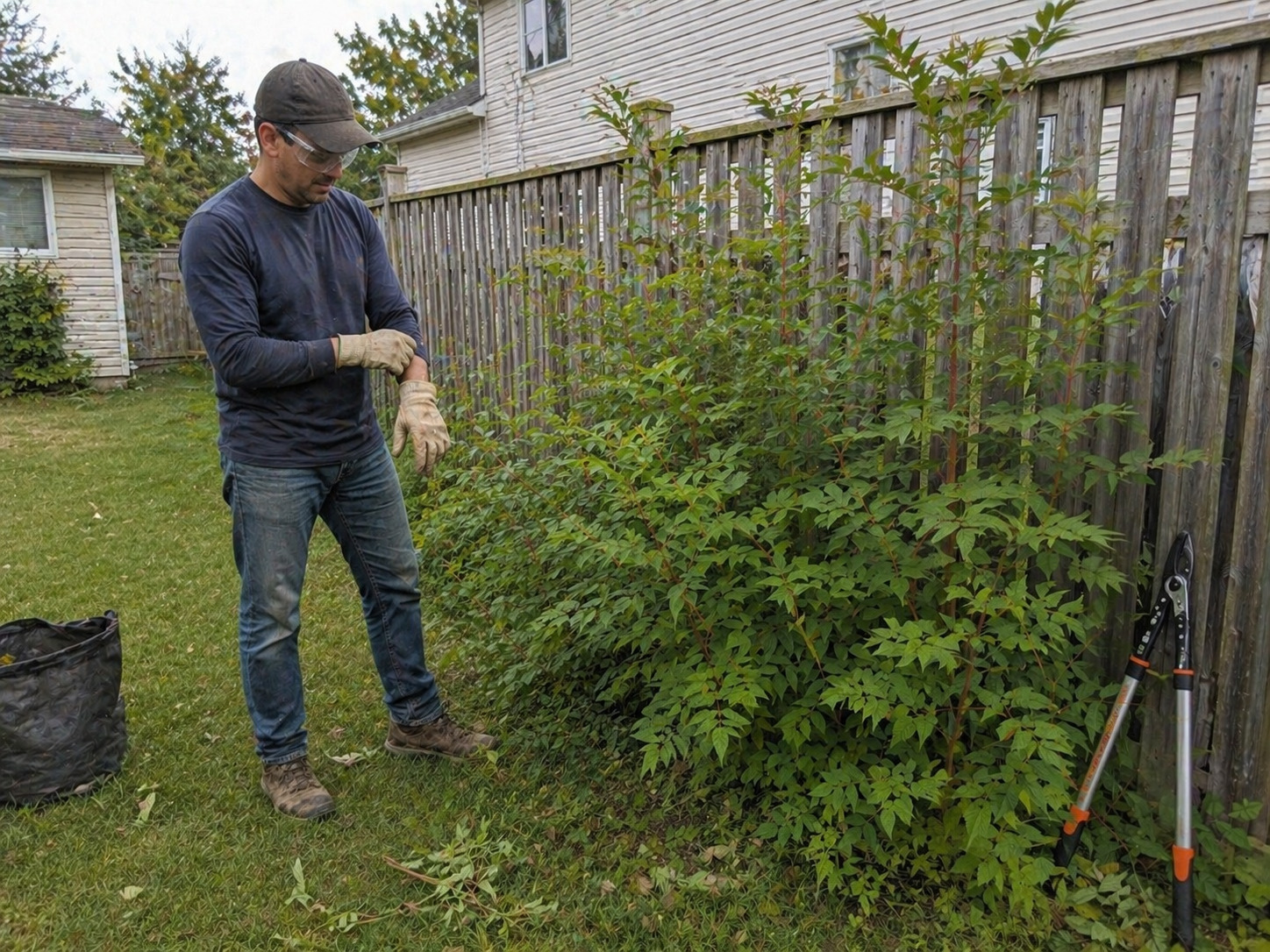
Manual removal works for small areas, but larger or established growth usually requires professional handling.
Situations where professional removal is recommended:
Professional crews use controlled methods to remove both visible growth and underlying roots. This reduces regrowth and keeps the area manageable long term.
Our team provides professional sumac removal across Barrie and surrounding regions. For nearby service areas, our Tyler’s Tree Services tree removal in Collingwood and Tyler’s Tree Services tree removal in Angus pages outline local coverage.
Stump and root management also plays a role in long term control. Our Tyler’s Tree Services stump grinding service helps eliminate remaining base growth that can contribute to regrowth.
Extra care is needed when:
Even safe sumac can cause mild irritation for some individuals when handled without protection.
Protective gloves and long sleeves are recommended for any yard work involving unknown plants.
Removing sumac is not a one time task. Follow up matters.
After removal:
Consistent maintenance prevents the spread from starting again.
For properties in Ontario dealing with recurring growth, a structured removal plan reduces ongoing work and keeps the landscape under control.
If sumac is spreading across your property or becoming difficult to manage, Tyler’s Tree Services provides safe and efficient removal across Simcoe County. Our team handles identification, full removal, and cleanup so growth does not return.
Curious about tree trimming, stump grinding, or professional tree removal? Explore our website to learn more about how Tyler’s Tree Services can help keep your property safe and beautiful. Whether you need expert advice or a service quote, we’ve got you covered!

With nearly a decade of experience, we handle everything from precise trimming to safe removals, ensuring top-quality care.

Fully insured and WSIB certified, we follow strict safety standards to protect your property and our crew on every job.

We’re committed to expert service and clean results, ensuring you’re fully satisfied with every tree we trim or remove.

We are insured with $5M coverage ($2M per occurrence), ensuring a worry-free experience on every job you hire us for.
The information in this article was compiled from reputable public sources and interpreted by an expert copywriter for general educational purposes. While Tyler’s Tree Services makes every effort to provide accurate and up-to-date guidance on tree care and safety in Barrie & Simcoe County. Conditions can vary by property, tree species, and season. This content is not a substitute for a professional arborist’s inspection or advice. Tyler’s Tree Services and its authors are not responsible for any actions taken based on this article. For personalized tree care recommendations or safety concerns, we strongly recommend consulting a certified arborist
