🌿 Tree Health Check in Simcoe County: How to Tell if a Tree Is Dying or Recovering

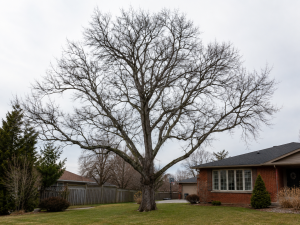
Not every struggling tree needs to come down. In Simcoe County, where wind, salt, and storms take their toll, many trees look worse than they really are. The key is knowing what’s temporary stress and what’s real decline. Here’s how Barrie, Orillia, and Wasaga Beach homeowners can spot the difference — and when to call in the pros before it’s too late.

1. Early Warning Signs Simcoe County Homeowners Should Watch For

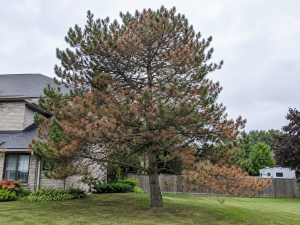
Trees in Simcoe County face fast temperature changes and urban stress — small symptoms can signal bigger issues ahead.

  • Wilting leaves that don’t recover after watering.
  • Bark peeling or cracking along the trunk.
  • Dead or brittle branches that break easily.
  • Fungal growth, mushrooms, or oozing sap at the base.

Little Tip:

Snap a twig — if it bends and stays flexible, your tree still has life. If it snaps cleanly and feels dry, it’s likely dead.

2. Signs of Recovery in Simcoe County's Climate

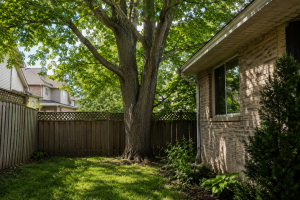
Simcoe County’s lakeside weather can shock trees in early spring or after storms — but recovery is possible.

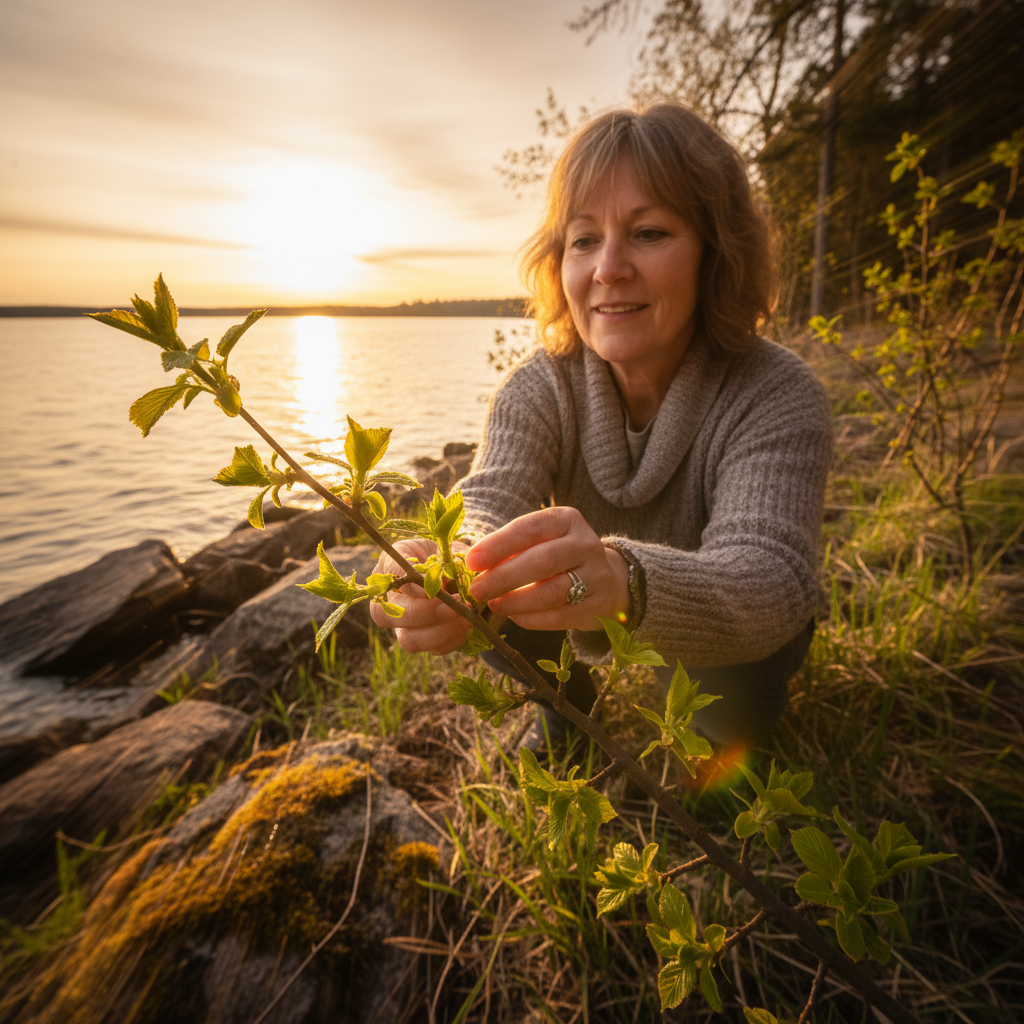
  • New buds forming along smaller branches.
  • Green tissue visible just under the bark.
  • Leaf growth returning after heavy rain or pruning.
  • Small shoots sprouting from the trunk or roots (a sign the tree’s still fighting).

Local Tip:

Simcoe County homeowners should give stressed trees at least one full growing season before deciding on removal — many bounce back once soil moisture levels stabilize.

3. When to Call a Professional in Simcoe County

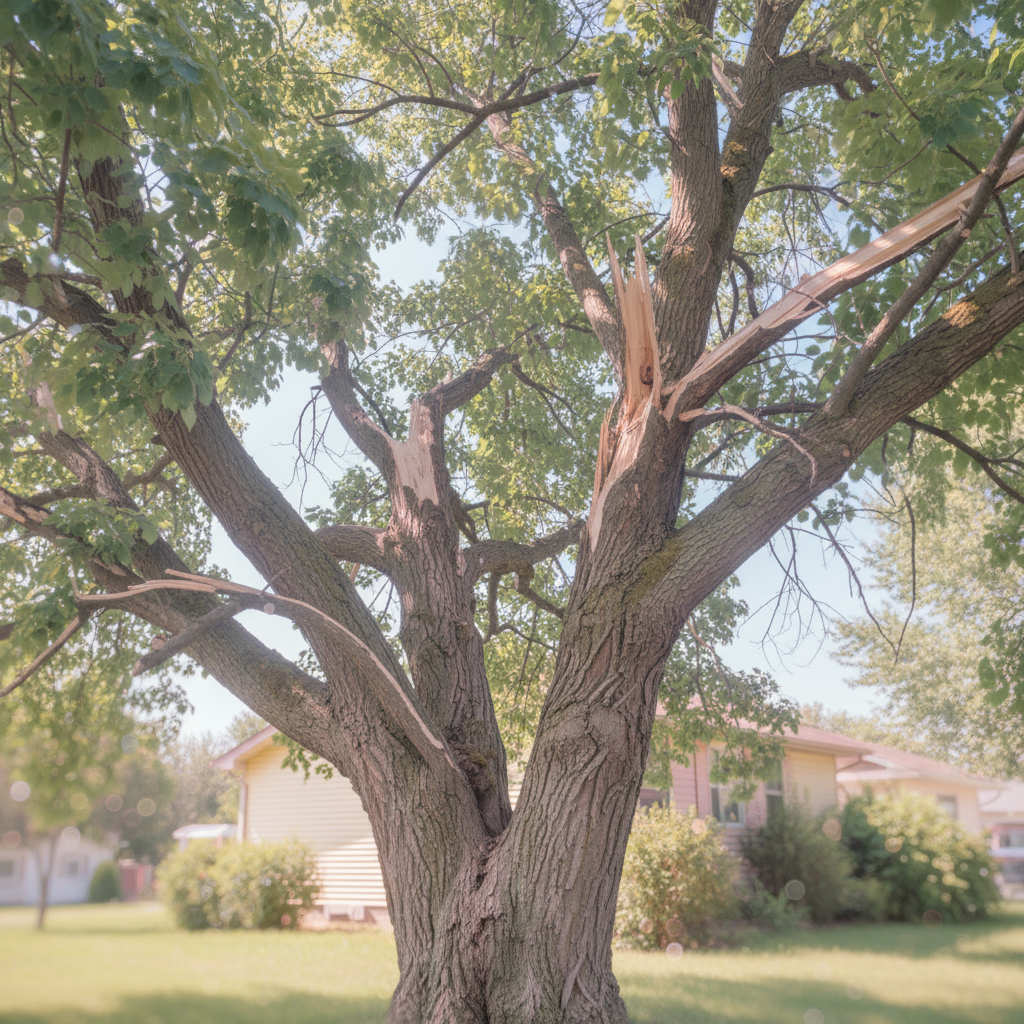
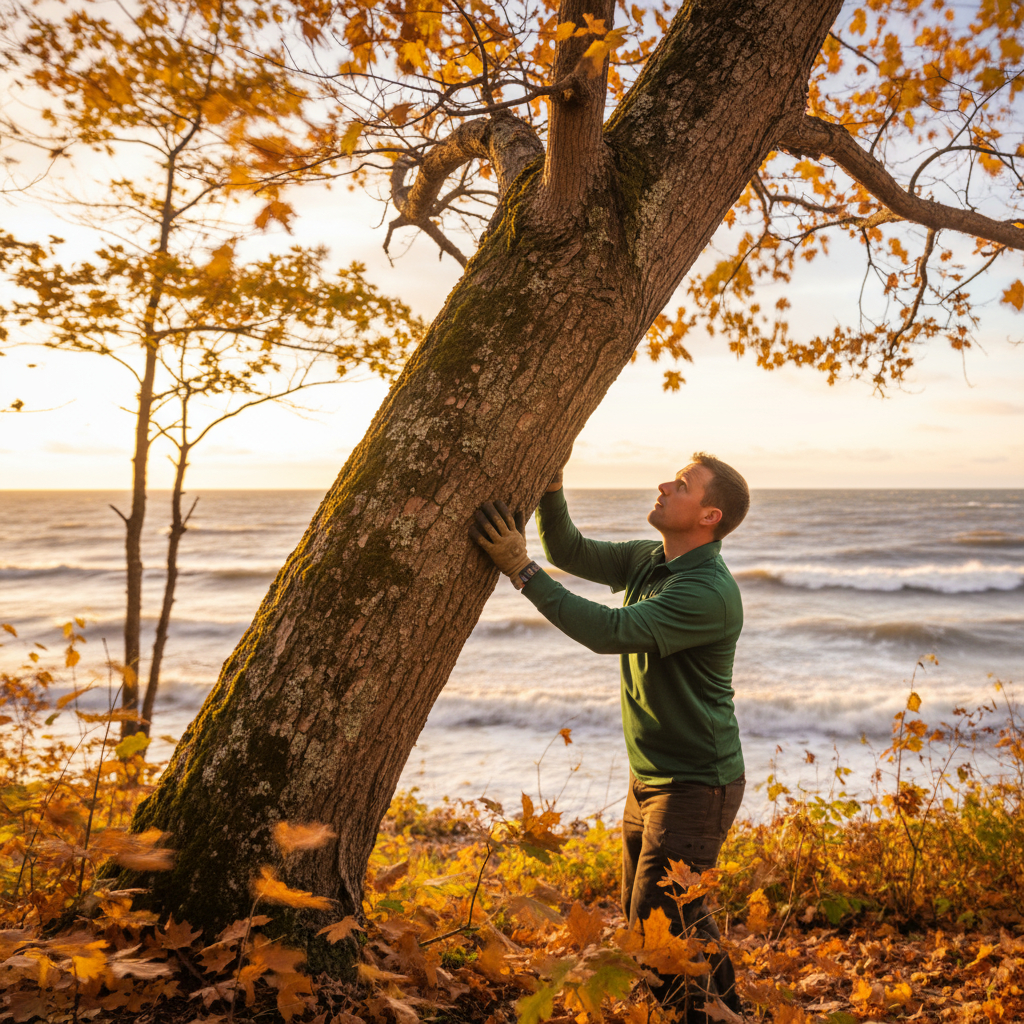
If your tree leans, cracks, or shows signs of decay, it’s time to get it checked. Simcoe County’s sandy soil and strong winds make weakened roots a serious safety risk.

Sometimes the roots are the real issue. For new construction projects or large trees near foundations, complete removal is worth the effort.

  • Hollow-sounding trunks or soft wood near the base.
  • Large cracks running vertically up the bark.
  • Visible root lifting or soil heaving near the trunk.
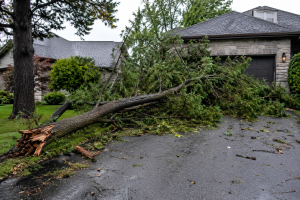
  • Sudden leaning after a storm.

Little Tip:

An arborist can use simple tools to test internal wood strength — often saving a tree that just needs pruning, not removal.

4. Why Simcoe County Homeowners Trust Tyler’s Tree Service

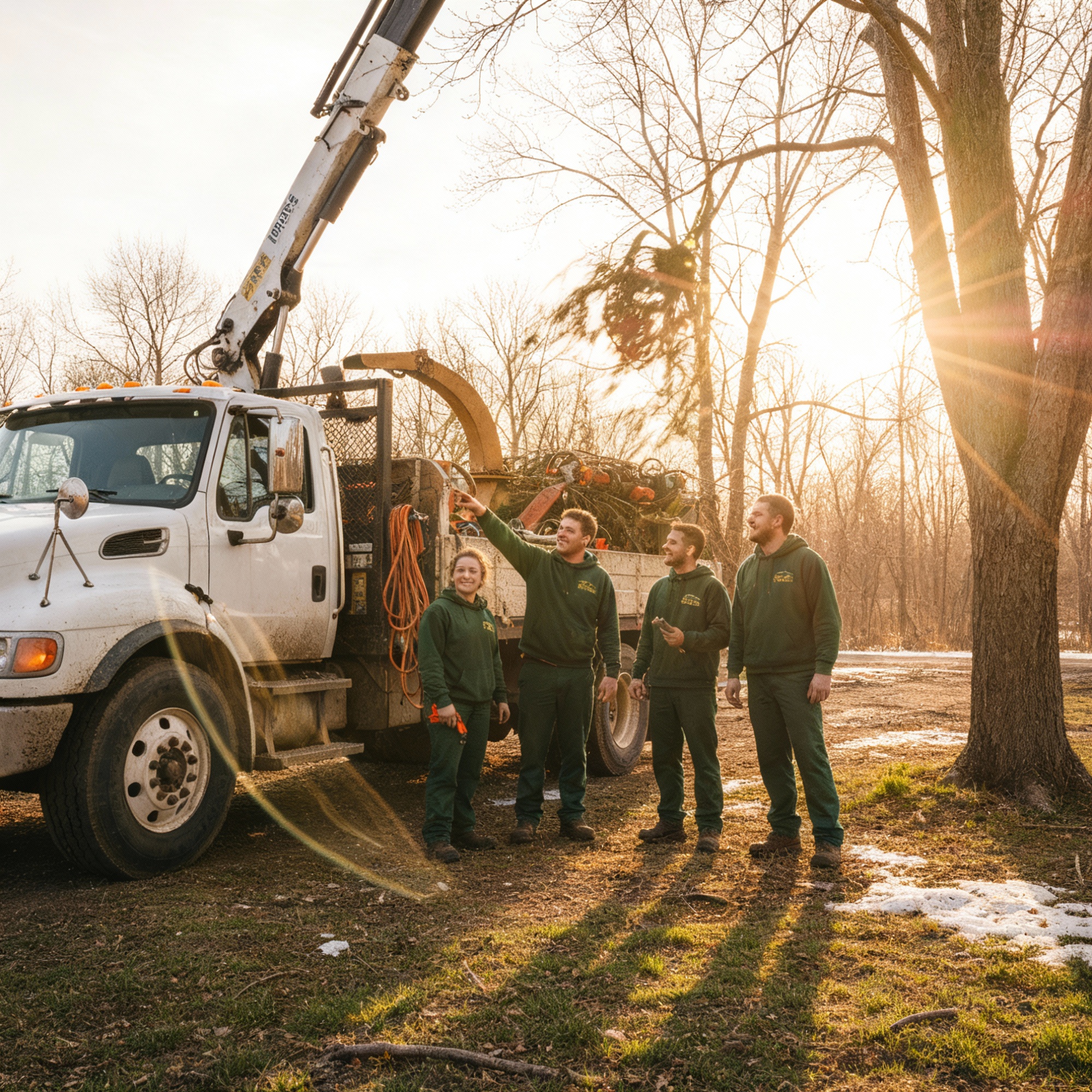
  • ISA-certified arborists who know how to assess, not just remove.

  • Honest recommendations — we save healthy trees whenever possible.

  • Decades of local experience with Ontario’s climate and soil types.

  • Emergency response for storm-damaged or unsafe trees.

Local Tip:

Book an annual tree inspection each spring. It’s the best way to catch early decay, insect damage, or storm stress before it spreads.

Tree Care Services Near You!

Finding Expert arborists

Curious about tree trimming, stump grinding, or professional tree removal? Explore our website to learn more about how Tyler’s Tree Services can help keep your property safe and beautiful. Whether you need expert advice or a service quote, we’ve got you covered!

8 Years+ Of Expertise

With nearly a decade of experience, we handle everything from precise trimming to safe removals, ensuring top-quality care.

WSIB Certified

Fully insured and WSIB certified, we follow strict safety standards to protect your property and our crew on every job.

Satisfaction Guaranteed

We’re committed to expert service and clean results, ensuring you’re fully satisfied with every tree we trim or remove.

Fully Insured

We are insured with $5M coverage ($2M per occurrence), ensuring a worry-free experience on every job you hire us for.

Disclaimer

The information in this article was compiled from reputable public sources and interpreted by an expert copywriter for general educational purposes. While Tyler’s Tree Services makes every effort to provide accurate and up-to-date guidance on tree care and safety in Barrie & Simcoe County. Conditions can vary by property, tree species, and season. This content is not a substitute for a professional arborist’s inspection or advice. Tyler’s Tree Services and its authors are not responsible for any actions taken based on this article. For personalized tree care recommendations or safety concerns, we strongly recommend consulting a certified arborist

What Can You Plant After Stump Grinding?

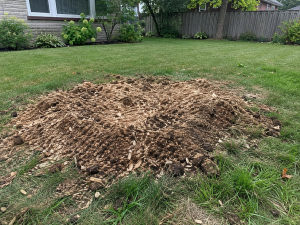
After stump grinding, homeowners can often repair the lawn, build a garden bed, or plan replacement planting, but the area needs proper preparation first. This guide explains why excess wood chips should be removed, how settling and drainage affect the site, and why a new tree should not usually be...

Read More
What Happens to Tree Roots After Stump Grinding?

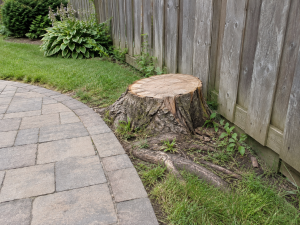
Stump grinding removes the visible stump and part of the root crown, but it does not remove every root underground. This guide explains what happens to remaining roots after grinding, how natural decay and settling work, when sprouts may appear, and when full excavation may be the better option for...

Read More

What to Do When a Tree Is Leaning Toward Your House

A leaning tree can become a serious safety risk when the movement is new, roots are exposed, soil is lifting, or the trunk is cracked. This guide explains how Ontario homeowners can recognize urgent warning signs, what conditions may wait for a scheduled assessment, and when to contact Tyler’s Tree...

Read More

Does Home Insurance Cover Fallen Tree Removal in Ontario?

Home insurance coverage for fallen tree removal in Ontario depends on the policy, the cause of damage, and whether the tree damaged insured property. This guide explains the common coverage distinction, why documentation matters, when cleanup cannot wait, and how Tyler’s Tree Services can provide safe fallen-tree removal and an...

Read More

Can You Remove a Tree From Your Own Property in Ontario?

Removing a tree from your own property in Ontario is not always as simple as ownership. Municipal rules, boundary trees, conservation areas, utility conflicts, and construction plans can all affect the next step. This guide explains what homeowners should confirm before removal and when to ask Tyler’s Tree Services for...

Read More

Why Are the Needles on My Pine Tree Turning Brown?

Brown needles on a pine tree can be normal seasonal shedding, but they can also point to stress, disease, drought, root damage, winter injury, or beetle activity. This guide explains how Ontario homeowners can read where the browning starts, what symptoms matter most, and when monitoring should stop so the...

Read More

How Much Does Tree Removal Cost in Ontario?

Tree removal cost in Ontario depends on more than tree height. This guide explains the main factors that affect pricing, why an on-site assessment is needed, how emergency conditions can change the cost, and when homeowners in Barrie, Orillia, and Simcoe County should request a tree removal estimate.

Read More

What Is an Arborist Report and When Do You Need One?

An arborist report provides written documentation about a tree’s condition, location, risk factors, and recommended next steps. This guide explains when homeowners may need an arborist report, how it differs from a basic estimate, and why reports are often used for permits, construction planning, neighbour concerns, tree-risk issues, and property...

Read More

Pine Beetles in Ontario: Signs Your Tree Is Under Attack

Pine beetle damage can weaken a tree before the problem is obvious. This guide explains the visible signs Ontario homeowners can inspect safely from the ground, how beetle damage affects pine trees, when removal may become a safety concern, and why an assessment should come before treatment claims.

Read More

How to Tell if a Tree Is Dead: Warning Signs Homeowners Should Know

A dead tree can become a safety risk around homes, driveways, fences, and walkways. This guide explains the clearest warning signs homeowners should watch for, how to inspect a tree from the ground, when a tree may still be stressed instead of dead, and when professional assessment or removal is...

Read More

When to Prune Apple Trees in Ontario

This guide explains the best pruning season, what branches to remove, and how proper pruning improves airflow, tree structure, and fruit production for healthier apple trees long term.

Read More

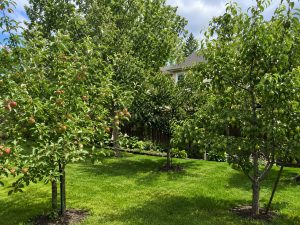
What Fruit Trees Grow in Ontario

Many fruit trees grow in Ontario when matched to the right site and climate. This guide covers reliable options like apple, pear, plum, and others. It also explains why sunlight, airflow, pruning, and tree health matter for long-term fruit production.

Read More
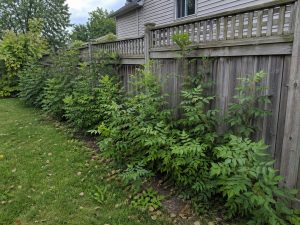
sumac spreading near fence Ontario

How To Get Rid of Sumac

Sumac can spread quickly across Ontario properties. Learn how to identify, control, and safely remove it, and know when professional removal is the right step for your yard.

Read More
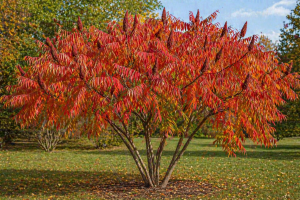
sumac tree Ontario

Sumac Tree in Canada

Sumac trees are common across Ontario. Learn how to identify safe vs poisonous sumac by leaves, berries, and growth patterns with this simple guide for homeowners.

Read More

Sugar Maple Tree in Ontario

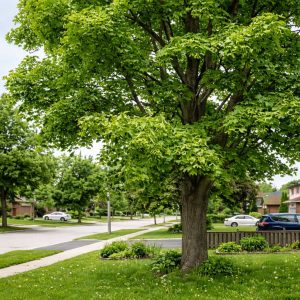
Sugar Maple Trees in Ontario Barrie Simcoe County: identification, growth, and care tips to manage structure, prevent damage, and maintain long-term property value.

Read More