Can You Remove a Tree From Your Own Property in Ontario?

Owning the property does not always mean you can remove any tree without checking the rules first. In Ontario, tree removal can be affected by municipal bylaws, conservation rules, boundary tree issues, utility conflicts, construction plans, and the condition of the tree itself.

If you are asking, “can I remove a tree on my property,” the safest answer is to confirm the local requirements before removal begins. A quick check can prevent delays, disputes, permit problems, or costly mistakes.

Start With the Municipality, Not the Chainsaw

Tree rules are not identical across Ontario. One municipality may have specific requirements for tree removal, while another may treat the same situation differently. The rules can also change depending on property type, tree size, location, development plans, and whether the tree is considered protected.

Before removing a tree, contact your municipality or review its current tree-related requirements. Ask whether a permit is needed, whether the tree falls under a local bylaw, and whether documentation is required before work starts.

This matters most when the tree is large, close to the road, part of a development site, near a protected area, or tied to a construction project. Even when removal seems practical, the paperwork may still need to be checked first.

Little Tip:

Do not rely on what a neighbour was allowed to do years ago. Municipal rules and property conditions can be different from one lot to the next.

Why Ownership Alone May Not Be Enough

A tree may be on your property, but other obligations can still apply. Municipal bylaws, shared property lines, conservation authority rules, subdivision agreements, or construction requirements can affect whether removal is allowed and what steps are needed first.

Some homeowners only think about the trunk location. In reality, the roots, canopy, boundary line, nearby structures, and surrounding land use can all matter. A tree near a property line may create questions that a fully interior backyard tree would not.

Tree condition also changes the conversation. A dead, hazardous, or storm-damaged tree may still require safe removal planning, and in some cases, documentation may help support why removal is needed.

Local Tip:

For homeowners in Barrie, Orillia, and surrounding areas, late summer pruning prepares trees for winter storms and snow load.

Boundary Trees Need Extra Care

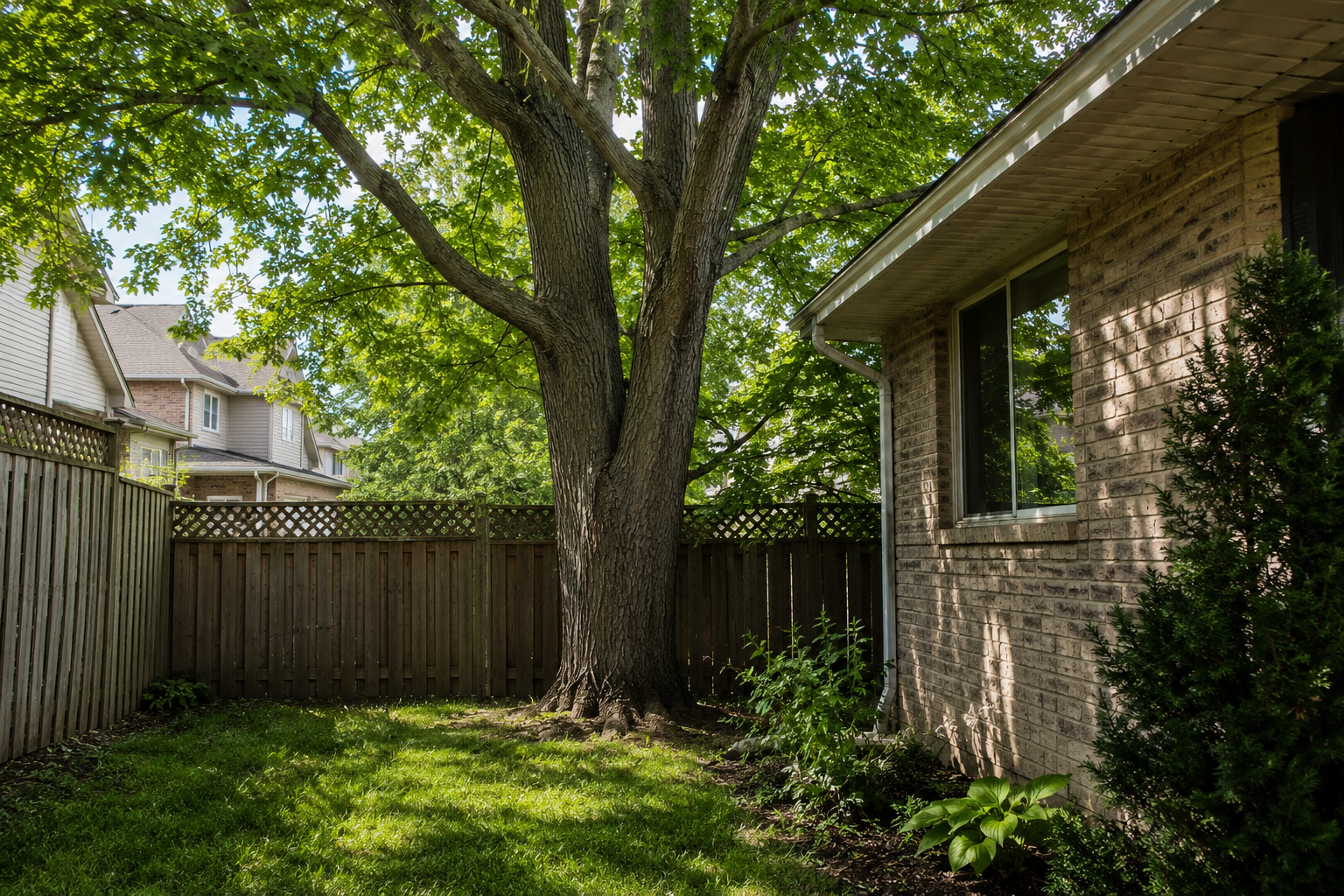
A boundary tree is generally a tree growing on or very close to a property line. These situations can become sensitive because more than one property owner may be affected by the tree, its branches, its roots, or the removal decision.

If the trunk appears to sit on the shared line, do not assume removal can proceed without discussion. Cutting down a boundary tree without confirming ownership, permissions, and local rules can create conflict.

Branches hanging over a yard are a common source of frustration, but heavy pruning or removal can damage the tree if it is done poorly. When the tree affects two properties, a careful approach protects the tree, the property owners, and the working crew.

Local Tip:

Before a neighbour conversation gets tense, take clear photos and gather basic details. A calm discussion is easier when everyone can see the same issue.

Permits and Local Bylaws Can Affect Removal

Some Ontario municipalities may require permits for certain tree removals. Requirements can depend on trunk size, location, tree species, property zoning, development activity, or whether the tree is part of a protected area.

Barrie homeowners should be especially careful when trees are connected to building work, grading, or property changes. Our article on Barrie tree bylaw and construction explains how tree decisions and construction planning can overlap before work begins.

A permit process does not always mean removal will be denied. It means the decision may need to be reviewed, documented, or approved before the tree comes down.

Conservation Areas and Protected Land Add Another Layer

Properties near wetlands, shorelines, ravines, woodlots, or environmentally sensitive areas may have added restrictions. In those cases, the municipality may not be the only authority involved.

A conservation authority, shoreline rule, subdivision plan, or protected-area condition may affect whether a tree can be removed. This is common around rural properties, waterfront lots, and land with drainage or erosion concerns.

Removing a tree in these areas without checking first can create bigger problems than the tree itself. When the property is close to a protected feature, confirm the right authority before scheduling removal.

Little Tip:

If the tree is near water, a ravine, a drainage area, or a wooded boundary, ask more questions before removing it. Those locations often carry extra requirements.

Utility Conflicts Should Never Be Handled Casually

Trees near hydro lines, service wires, communication lines, or other utilities need extra caution. Homeowners should not cut, pull, climb, or remove branches near live wires.

Even if the tree is fully on private property, utility conflicts can change who should be involved and how the work is handled. A tree touching or threatening wires may require coordination with the utility provider before removal can happen safely.

Roots can also interfere with underground services. Before major work around the base of a tree, especially during construction or grading, underground utilities should be considered.

Construction Plans Can Change the Tree Decision

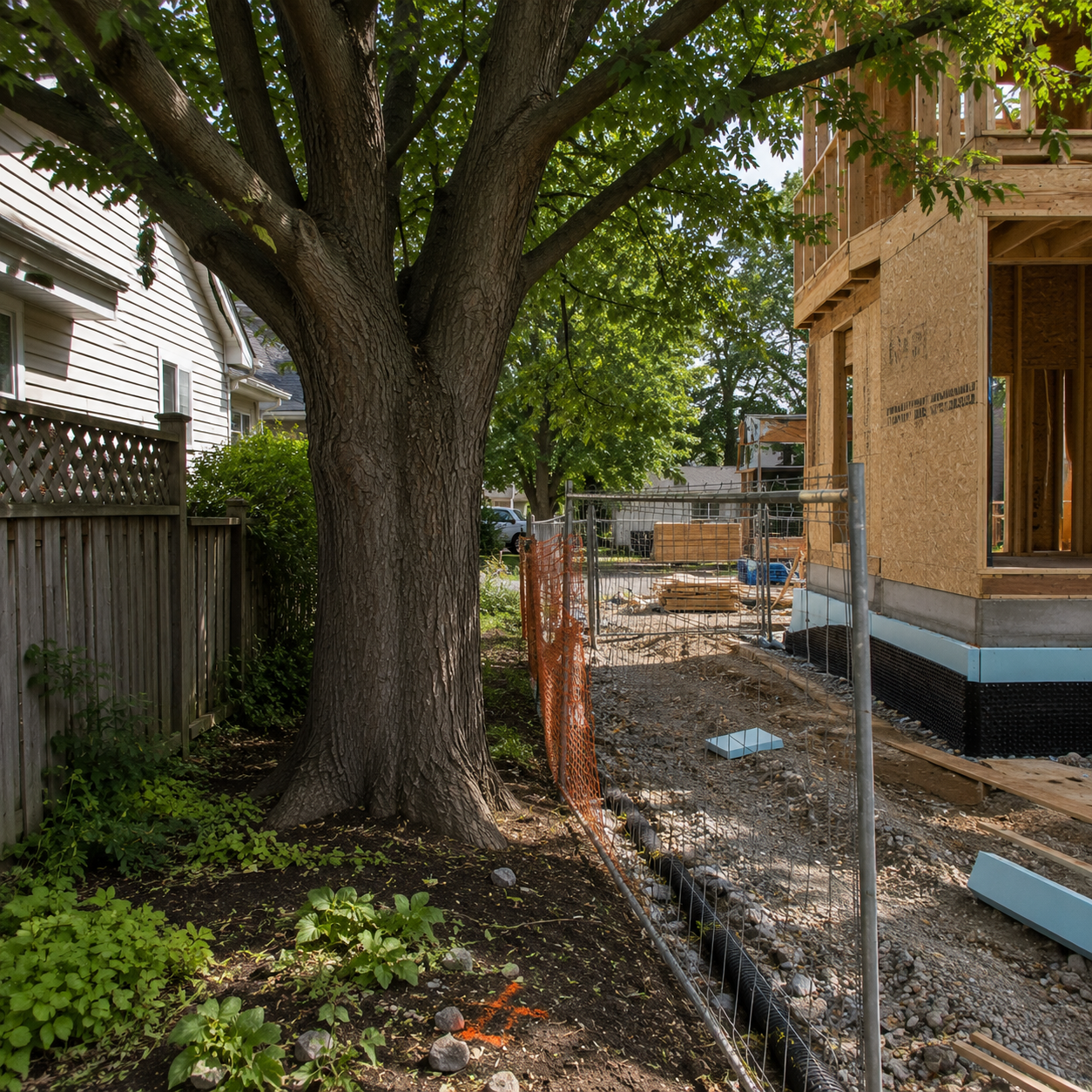
A tree may seem removable because it is in the way of a driveway, garage, addition, pool, or landscaping project. Construction-related removal should be checked carefully because municipalities may ask for more documentation when trees are affected by development.

An arborist report can help document the tree’s condition, location, and recommended next step. This can be useful for permit applications, construction planning, neighbour concerns, or cases where a tree’s health and risk need to be explained in writing.

When written documentation is needed, our arborist reports service can support homeowners who need more than a basic removal estimate.

When Removal Is the Practical Next Step

Some trees can be preserved with pruning or monitoring. Others are dead, unstable, decayed, storm-damaged, or growing in a location where the risk has become too high.

Removal may be practical when a tree is leaning toward a structure, dropping large limbs, interfering with necessary construction, damaging hardscaping, or declining beyond reasonable care. The decision should still account for local rules, access, nearby structures, and safe equipment use.

For homeowners in Barrie and nearby Simcoe County communities, our tree removal services are built around assessing the tree and property before recommending the safest removal plan.

What to Confirm Before Removing a Tree

Before removing a tree from your own property, confirm the basics. This helps avoid missed obligations and gives the removal crew better information before work begins.

Check these points before moving forward:

  • Municipality and permit requirements
  • Whether the tree is on or near a boundary
  • Nearby hydro lines or utility conflicts
  • Conservation or protected-area concerns
  • Construction plans affecting the tree
  • Tree condition, access, and safety risk


A simple removal can become more complicated when one of these items is missed. Better planning usually leads to a safer job and a cleaner decision.

Ask for an Assessment Before Removal

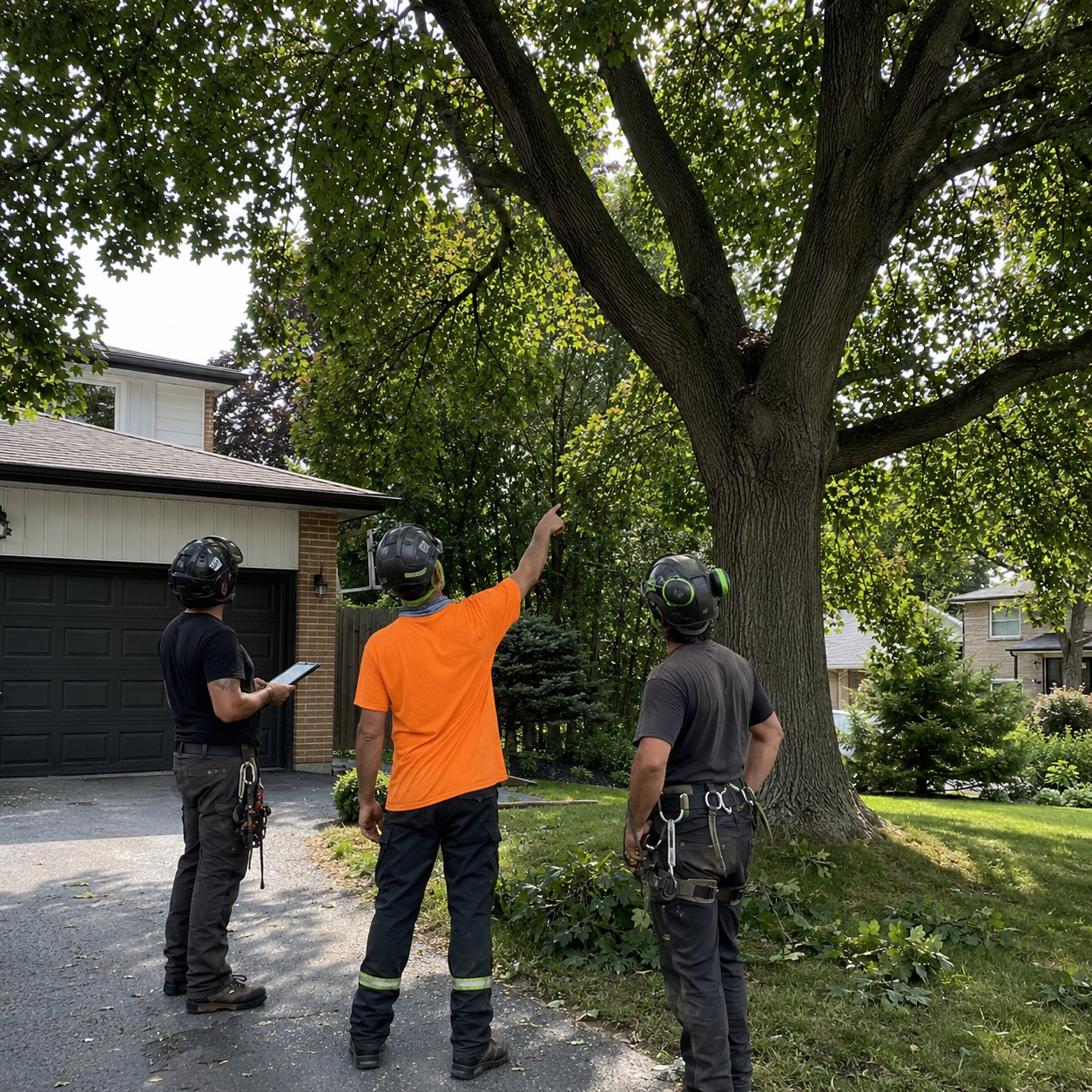
If you are unsure whether a tree can be removed, start with an assessment. We can look at the tree, the property, access, visible risk, and practical next steps before removal is scheduled.

We do not replace municipal approval, legal advice, or conservation authority direction. Our role is to help assess the tree, explain the removal considerations, and complete the work safely once the proper steps are clear.

Ask Tyler’s Tree Services to assess the tree and identify the practical next step before removal. Send the details and request a quote so we can review the tree and help you move forward safely.

Tree Care Services Near You!

Finding Expert arborists

Curious about tree trimming, stump grinding, or professional tree removal? Explore our website to learn more about how Tyler’s Tree Services can help keep your property safe and beautiful. Whether you need expert advice or a service quote, we’ve got you covered!

8 Years+ Of Expertise

With nearly a decade of experience, we handle everything from precise trimming to safe removals, ensuring top-quality care.

WSIB Certified

Fully insured and WSIB certified, we follow strict safety standards to protect your property and our crew on every job.

Satisfaction Guaranteed

We’re committed to expert service and clean results, ensuring you’re fully satisfied with every tree we trim or remove.

Fully Insured

We are insured with $5M coverage ($2M per occurrence), ensuring a worry-free experience on every job you hire us for.

Disclaimer

The information in this article was compiled from reputable public sources and interpreted by an expert copywriter for general educational purposes. While Tyler’s Tree Services makes every effort to provide accurate and up-to-date guidance on tree care and safety in Barrie & Simcoe County. Conditions can vary by property, tree species, and season. This content is not a substitute for a professional arborist’s inspection or advice. Tyler’s Tree Services and its authors are not responsible for any actions taken based on this article. For personalized tree care recommendations or safety concerns, we strongly recommend consulting a certified arborist

What Can You Plant After Stump Grinding?

After stump grinding, homeowners can often repair the lawn, build a garden bed, or plan replacement planting, but the area needs proper preparation first. This guide explains why excess wood chips should be removed, how settling and drainage affect the site, and why a new tree should not usually be...

Read More
What Happens to Tree Roots After Stump Grinding?

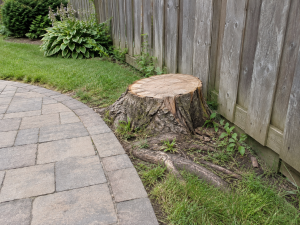
Stump grinding removes the visible stump and part of the root crown, but it does not remove every root underground. This guide explains what happens to remaining roots after grinding, how natural decay and settling work, when sprouts may appear, and when full excavation may be the better option for...

Read More

What to Do When a Tree Is Leaning Toward Your House

A leaning tree can become a serious safety risk when the movement is new, roots are exposed, soil is lifting, or the trunk is cracked. This guide explains how Ontario homeowners can recognize urgent warning signs, what conditions may wait for a scheduled assessment, and when to contact Tyler’s Tree...

Read More

Does Home Insurance Cover Fallen Tree Removal in Ontario?

Home insurance coverage for fallen tree removal in Ontario depends on the policy, the cause of damage, and whether the tree damaged insured property. This guide explains the common coverage distinction, why documentation matters, when cleanup cannot wait, and how Tyler’s Tree Services can provide safe fallen-tree removal and an...

Read More

Can You Remove a Tree From Your Own Property in Ontario?

Removing a tree from your own property in Ontario is not always as simple as ownership. Municipal rules, boundary trees, conservation areas, utility conflicts, and construction plans can all affect the next step. This guide explains what homeowners should confirm before removal and when to ask Tyler’s Tree Services for...

Read More

Why Are the Needles on My Pine Tree Turning Brown?

Brown needles on a pine tree can be normal seasonal shedding, but they can also point to stress, disease, drought, root damage, winter injury, or beetle activity. This guide explains how Ontario homeowners can read where the browning starts, what symptoms matter most, and when monitoring should stop so the...

Read More

How Much Does Tree Removal Cost in Ontario?

Tree removal cost in Ontario depends on more than tree height. This guide explains the main factors that affect pricing, why an on-site assessment is needed, how emergency conditions can change the cost, and when homeowners in Barrie, Orillia, and Simcoe County should request a tree removal estimate.

Read More

What Is an Arborist Report and When Do You Need One?

An arborist report provides written documentation about a tree’s condition, location, risk factors, and recommended next steps. This guide explains when homeowners may need an arborist report, how it differs from a basic estimate, and why reports are often used for permits, construction planning, neighbour concerns, tree-risk issues, and property...

Read More

Pine Beetles in Ontario: Signs Your Tree Is Under Attack

Pine beetle damage can weaken a tree before the problem is obvious. This guide explains the visible signs Ontario homeowners can inspect safely from the ground, how beetle damage affects pine trees, when removal may become a safety concern, and why an assessment should come before treatment claims.

Read More

How to Tell if a Tree Is Dead: Warning Signs Homeowners Should Know

A dead tree can become a safety risk around homes, driveways, fences, and walkways. This guide explains the clearest warning signs homeowners should watch for, how to inspect a tree from the ground, when a tree may still be stressed instead of dead, and when professional assessment or removal is...

Read More

When to Prune Apple Trees in Ontario

This guide explains the best pruning season, what branches to remove, and how proper pruning improves airflow, tree structure, and fruit production for healthier apple trees long term.

Read More

What Fruit Trees Grow in Ontario

Many fruit trees grow in Ontario when matched to the right site and climate. This guide covers reliable options like apple, pear, plum, and others. It also explains why sunlight, airflow, pruning, and tree health matter for long-term fruit production.

Read More
sumac spreading near fence Ontario

How To Get Rid of Sumac

Sumac can spread quickly across Ontario properties. Learn how to identify, control, and safely remove it, and know when professional removal is the right step for your yard.

Read More
sumac tree Ontario

Sumac Tree in Canada

Sumac trees are common across Ontario. Learn how to identify safe vs poisonous sumac by leaves, berries, and growth patterns with this simple guide for homeowners.

Read More

Sugar Maple Tree in Ontario

Sugar Maple Trees in Ontario Barrie Simcoe County: identification, growth, and care tips to manage structure, prevent damage, and maintain long-term property value.

Read More