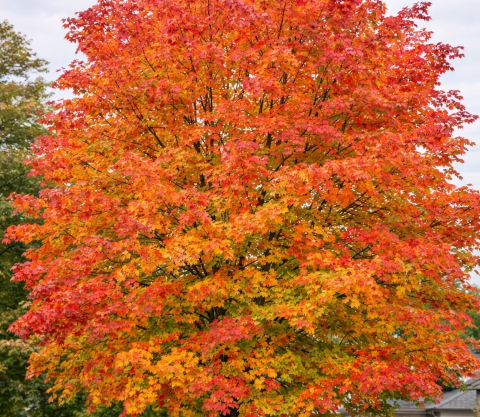
A sugar maple tree is one of the most recognizable trees across Ontario, valued for its shade, structure, and vibrant fall colour. For homeowners in Barrie and surrounding areas, understanding how it grows and behaves locally helps prevent long-term issues.
Knowing how to identify, maintain, and assess a sugar maple tree ensures it remains an asset, not a risk, on your property.
A sugar maple tree (Acer saccharum) is a native hardwood species found throughout Ontario and heavily present across Ontario. It’s best known for producing maple syrup and for its strong, dense wood.
In residential areas like Barrie, Orillia, and Innisfil, sugar maples are often planted for shade and long-term landscape value. Mature trees can reach over 20 metres tall, with wide canopies that influence everything from lawn growth to nearby structures.
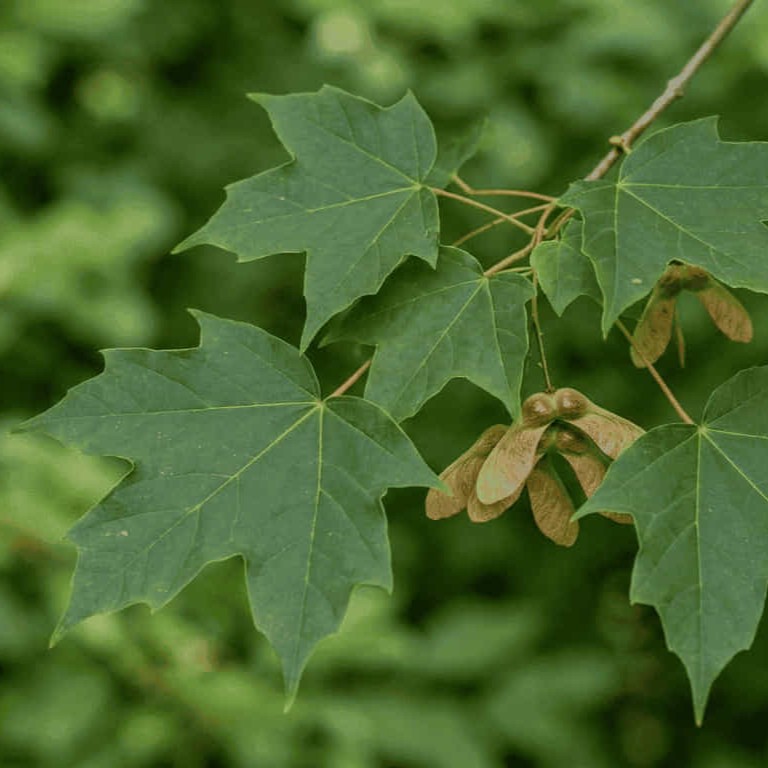
Accurate sugar maple tree identification is important, especially when distinguishing it from similar species planted in suburban areas.
Look for these defining traits:
Confusion often happens with Norway maple trees, which are common in urban neighbourhoods across Simcoe County. Leaf shape and sap consistency are the easiest ways to tell them apart.
For a closer breakdown of similar species, check How to Identify Maple Trees in Canada, which can help confirm what you’re dealing with on your property.
Sugar maple trees are well-suited to Ontarios climate, but local conditions still play a major role in how they develop.
They grow best in:
Seasonal changes in Ontario also shape their growth patterns. Cold winters support dormancy, while warm summers encourage strong canopy development.
In Barrie neighbourhoods with heavy winter salting, sugar maple trees planted too close to roads or driveways often show stress earlier than those set further back.
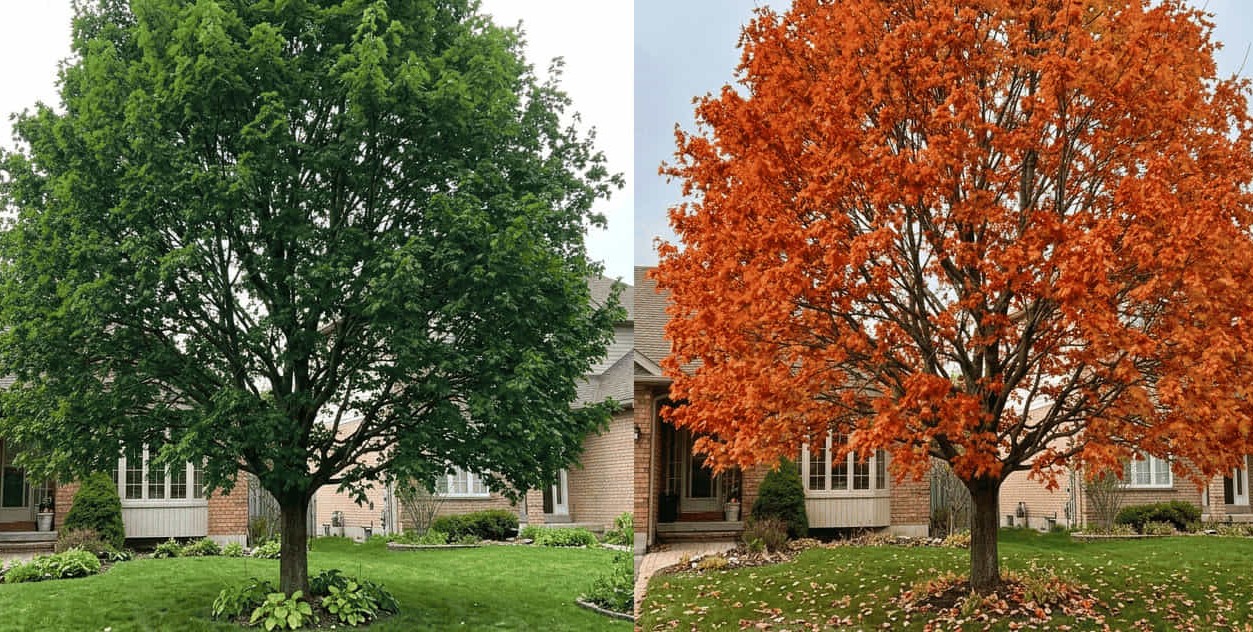
Sugar maple trees follow a clear seasonal cycle, which directly impacts maintenance decisions.
Spring:
Summer:
Fall:
Winter:
Understanding this cycle helps you plan maintenance at the right time and avoid unnecessary stress on the tree.
Proper sugar maple tree care in Simcoe County focuses on protecting roots, managing growth, and minimizing environmental stress.
Key care practices include:
Timing and technique matter, especially in this region. Poor pruning or neglected maintenance can lead to long-term structural issues.
Even in ideal conditions, sugar maple trees can develop issues, especially in developed areas.
Common problems include:
Leftover stumps and root systems can create ongoing issues below the surface, which is why understanding the benefits of stump grinding can help prevent future problems.
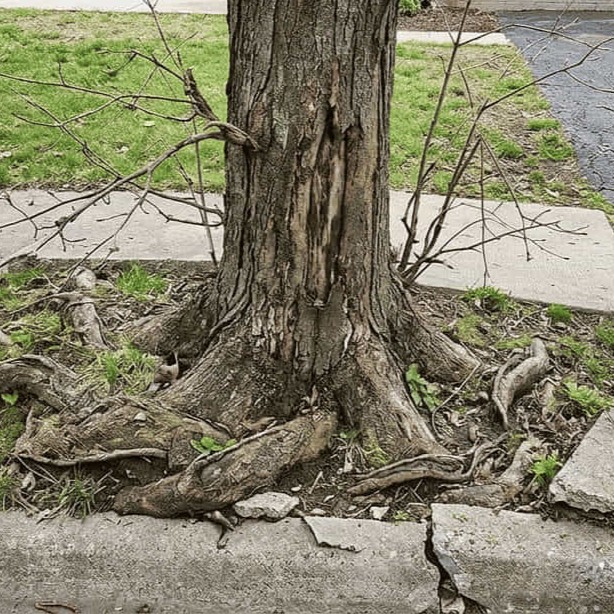
Large sugar maple trees can pose risks if structural integrity declines.
Watch for:
For Barrie homeowners dealing with a mature sugar maple, Tyler’s Tree Services tree removal services can assess whether pruning or removal is the safest option based on location and condition.
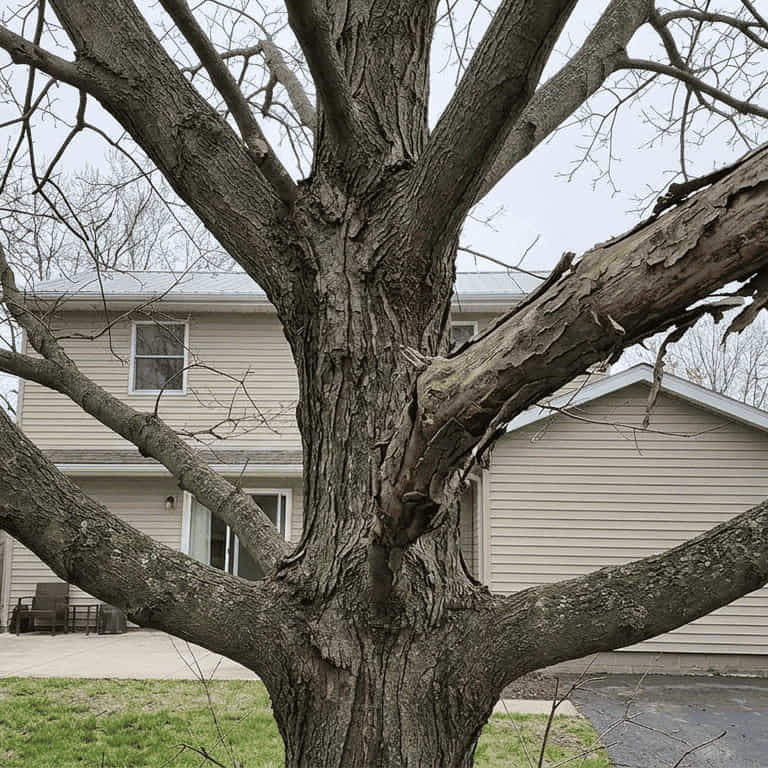
Removing a sugar maple tree is sometimes necessary, especially when safety or property damage is involved.
Typical reasons include:
Due to their size and density, sugar maples require professional equipment and planning for safe removal.
For tree pruning services in Barrie, Tyler’s Tree Services can help reduce risk early and often prevent the need for full removal.
Sugar maple trees are common throughout Ontario, from urban centres to rural properties.
You’ll frequently see them in:
Local conditions vary between these areas, especially with soil type and urban density. Homeowners in growing communities often deal with construction-related stress on mature trees.
If a tree becomes hazardous, Tyler’s Tree Services provides tree removal in Orillia and surrounding communities for properties where immediate action is needed.
A sugar maple tree can be a long-term investment in your landscape, but it requires the right space and conditions.
It’s a good fit if you have:
It may not be ideal if:
Planning ahead helps avoid future removal or structural issues.
In Innisfil and Barrie’s newer subdivisions, sugar maple trees are often planted too close to driveways and home foundations during initial landscaping. As the tree matures, expanding root systems can lift concrete and interfere with drainage.
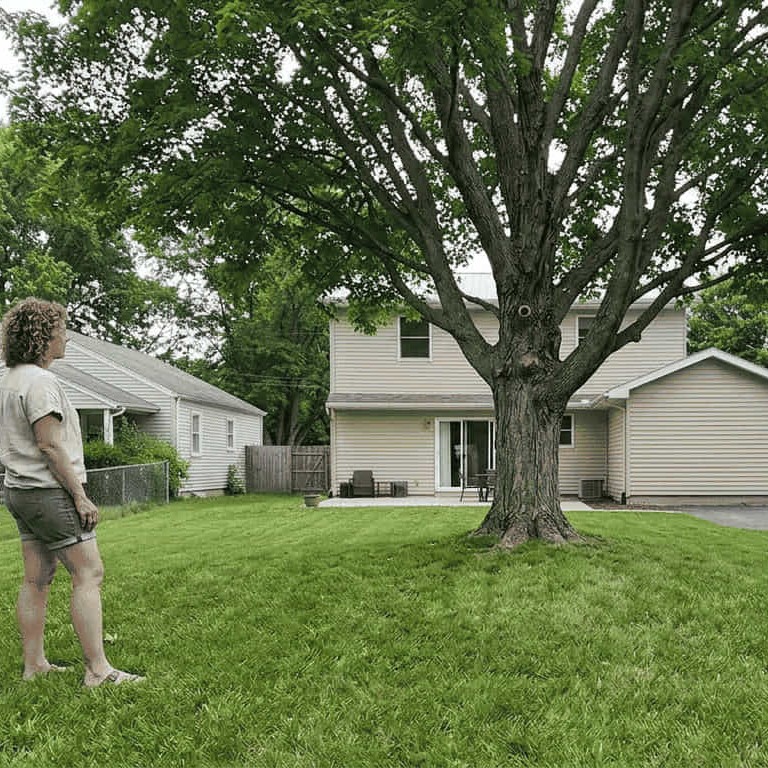
A sugar maple tree is one of the most iconic trees in Ontario and a defining feature of many properties across Simcoe County. With proper care and early attention to potential issues, it can provide shade, beauty, and value for decades.
Curious about tree trimming, stump grinding, or professional tree removal? Explore our website to learn more about how Tyler’s Tree Services can help keep your property safe and beautiful. Whether you need expert advice or a service quote, we’ve got you covered!

With nearly a decade of experience, we handle everything from precise trimming to safe removals, ensuring top-quality care.

Fully insured and WSIB certified, we follow strict safety standards to protect your property and our crew on every job.

We’re committed to expert service and clean results, ensuring you’re fully satisfied with every tree we trim or remove.

We are insured with $5M coverage ($2M per occurrence), ensuring a worry-free experience on every job you hire us for.
The information in this article was compiled from reputable public sources and interpreted by an expert copywriter for general educational purposes. While Tyler’s Tree Services makes every effort to provide accurate and up-to-date guidance on tree care and safety in Barrie & Simcoe County. Conditions can vary by property, tree species, and season. This content is not a substitute for a professional arborist’s inspection or advice. Tyler’s Tree Services and its authors are not responsible for any actions taken based on this article. For personalized tree care recommendations or safety concerns, we strongly recommend consulting a certified arborist
